High school credit for Amharic, Somali, Tigrinya or any language your child already speaks
Washington students can earn up to four high school credits, and a Seal of Biliteracy on their diploma, by testing in a language they learned at home.
- Credits by testing
- 1–4
- Language credits to graduate
- 2
- Seal of Biliteracy began
- 2014
The short answer
Any Washington student can earn one to four high school world language credits by passing a test in a language they already know, from Amharic to Kiswahili. All languages count. Those credits meet graduation and university entrance requirements, and can lead to the Seal of Biliteracy on the diploma.
What changed
- Nov 11, 2026First published
A teenager who grew up speaking Amharic, Somali, Tigrinya, Oromo, Wolof or Kiswahili at home already has something many classmates spend years studying for. In Washington, that language can turn into high school credits. Many families never hear about it. Checked 11 November 2026.
Why it matters
Washington students in the class of 2021 and later need two credits in the same world language to graduate (or a personalised pathway), and Washington’s public universities expect two years of the same language for admission (OSPI). For a student who arrived mid-way through high school, testing can also free up time for other classes they need.
How the credits work
- Who: all students can earn them, on every graduation pathway.
- Which languages: all languages, including classical, tribal, Indigenous and signed languages. Coding languages do not count.
- How many: one to four credits, depending on the score. They count the same as classroom credits for graduation, scholarships and university entry, including NCAA requirements.
- When: at any time, but most students test between 9th and 12th grade so the credits land on the high school transcript. OSPI suggests testing early.
Different languages use different tests, and OSPI keeps a searchable list of approved assessments by language. All testing is arranged through your school district.
Is my child ready?
OSPI suggests a quick check in the home language. If your child can say “yes, quite easily” to statements like these, they can probably earn one or two credits; “very easily” to all of them suggests three or four:
- I can understand the main idea and some details in simple texts on familiar topics.
- I can exchange information with another person about everyday tasks and activities.
- I can write simple descriptions and short messages.
The Seal of Biliteracy
Since 2014, Washington public high school graduates who show proficiency in English and at least one other language can earn the Seal of Biliteracy, noted on their diploma and transcript. Students on every graduation pathway are eligible. To earn it, students show intermediate proficiency in another language on an approved test and meet the English requirement for their graduation pathway (OSPI: Seal of Biliteracy). It is a signal colleges and employers notice.
How to ask
- Ask your child’s school counsellor about world language competency testing, or the district’s world language or multilingual director.
- Ask which test covers your language and when the next testing date is.
- Ask about cost. OSPI encourages districts to keep fees affordable; if the district paid for the first test, a retest may be charged to families.
- Check the credits appear on the high school transcript afterwards.
OSPI publishes brochures on the programme in Amharic, Somali, Arabic and other languages, and the Office of the Education Ombuds explains it in plain language (OEO).
Keep the language strong
Credits reward a language that is kept alive at home. For younger children, see raising bilingual kids in Seattle.
Nov17Tue
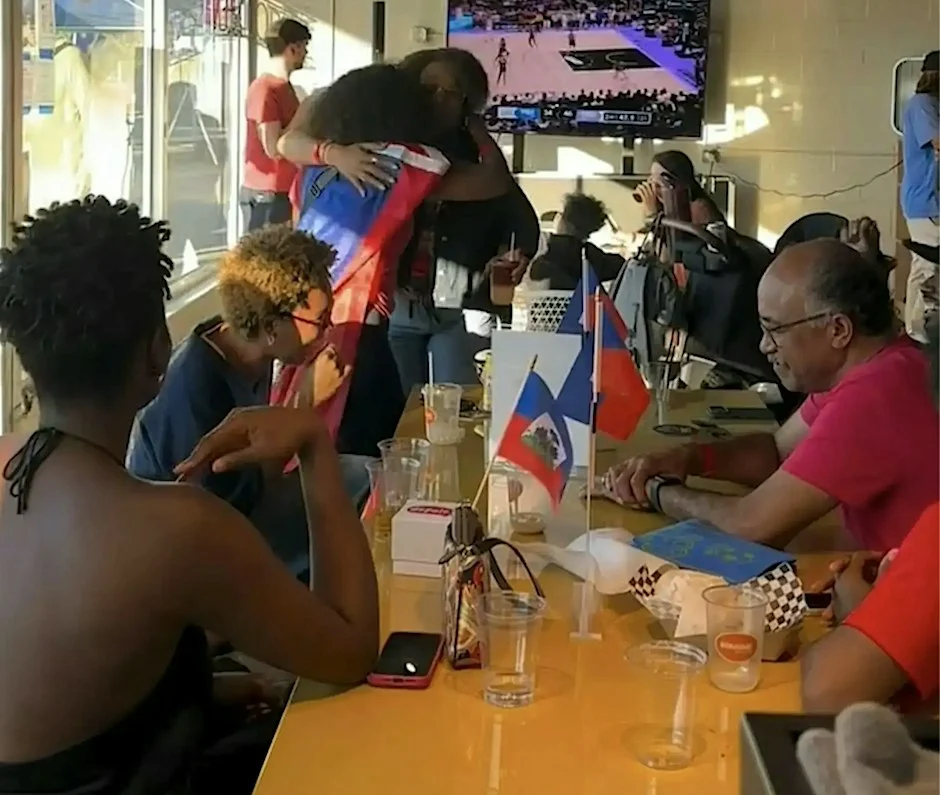
Kreyòl Language Circle
Took place, Labour Temple, Seattle. Free · RSVP on Eventbrite
A Haitian Kreyòl conversation circle at Bonhomie Coffee.
Dec11Fri
Swahili Night: Karibu Nyumbani
5:00 PM, The Fruitland Grange, Puyallup. $75
An evening of Swahili culture and community.
Details and RSVP
Credits also help meet the requirements for guaranteed admission to seven Washington universities.
Sources
OSPI: Competency credits for students, OSPI: World Language Competency-Based Credits, OSPI: Seal of Biliteracy, OEO: World Language Credit Program. Checked 11 November 2026.
Questions people ask
- Can my child get high school credit for speaking Amharic or Somali?
- Yes. All languages are eligible for Washington’s world language competency credits. Students take an approved proficiency test through their district and can earn one to four credits.
- Do competency-based language credits count for college admission?
- Yes. They count the same as classroom credits, including for Washington university entrance requirements and NCAA eligibility.
- What is the Seal of Biliteracy?
- A notation on a Washington public high school diploma and transcript showing proficiency in English and at least one other language.
- When should my child take the language test?
- Any time, but OSPI suggests early in high school so the credits appear on the high school transcript.
#world language credits washington#seal of biliteracy#amharic high school credit#heritage language credit
Know a business we should feature?
Tell us who, and why. Pitch a story or nominate a business.
Keep reading

Families
Dual language immersion schools in Seattle: where children learn in Spanish, Japanese or Mandarin
Five Seattle elementary schools teach half the day in Spanish, Japanese or Mandarin, with pathways through middle and high school. Which schools, and how to get a place.
Ujima Network team, November 13, 2026. 4 min read
Families
Free school meals in Seattle and Washington: which schools, and what families still need to do
Since fall 2026 every Seattle Public Schools student can have one free breakfast and one free lunch a day. Here is how it works, and what the state rule covers elsewhere.
Ujima Network team, November 13, 2026. 4 min read

Families
Finishing high school as an adult in Washington: the GED and the High School+ diploma compared
Adults in Washington can sit the GED at $36 a subject or earn a diploma through High School+ at a community college, where work and life experience count. How to choose.
Ujima Network team, November 13, 2026. 4 min read
The Village