Seattle hip-hop history: from the Emerald Street Boys and Sir Mix-A-Lot to today
Seattle had the first rap radio show in the West, a platinum-selling label run from a downtown office, and a city law that nearly shut the scene down. A short history.
- Nastymix Records founded
- 1985
- “Baby Got Back” reaches No. 1
- 1992
The short answer
Seattle hip-hop began in the late 1970s with groups like the Emerald Street Boys. In 1981 Nasty Nes launched FreshTracks, the West’s first rap radio show. Sir Mix-A-Lot and Nastymix Records, founded in 1985, took the city national; “Baby Got Back” reached No. 1 in 1992. November is the state’s Hip-Hop History Month.
What changed
- Nov 13, 2026First published
Ask most people about Seattle music and they will say grunge. But the first gold record for a Seattle label in thirty years belonged to a rapper from the Central District, and hip-hop has been made here since the end of the 1970s. Since 2014, November has been Hip-Hop History Month in Washington (NPR), so this is a good moment for a short history. Checked 13 November 2026.
1979 to 1984: the first wave
The Seattle story starts on the radio. In October 1979 the veteran DJ Robert L. Scott played “Rapper’s Delight” on KYAC 1250 AM. A South Seattle club called Lateef’s became an early place to try out rhymes, and the first local acts formed: Jam Delight, the Emerald Street Boys, the Emerald Street Girls and Silver Chain Gang (NPR).
In 1981, after KYAC became KKFX, “KFOX”, the DJ “Nasty” Nes Rodriguez started FreshTracks on Sunday nights. NPR’s history calls it the first rap radio show west of the Mississippi. Its “Mastermix” segment brought live scratching and mixing to Seattle radio for the first time (NPR).
Sir Mix-A-Lot and Nastymix
Anthony Ray, born in 1963, grew up in the Central District near 19th Avenue and Yesler Way and graduated from Roosevelt High School in 1981. As Sir Mix-A-Lot he made tracks in his bedroom on a Commodore 64, a drum machine and synthesisers, and threw weekly parties at the Boys & Girls Club. Nasty Nes heard about the parties and put his tapes on the air; “Square Dance Rap” became an unexpected hit in Los Angeles, San Jose and Miami in 1985 (HistoryLink; NPR).
Nastymix Records was founded in 1985. Accounts credit Mix-A-Lot, Nasty Nes, the former KYAC DJ Ed Locke and the investor Greg Jones, and the label later worked from the Tower Building at 1809 7th Avenue (HistoryLink; UW Magazine). What followed:
- “Posse on Broadway” broke out with almost no radio play or video. The Seattle Times later said it “put Seattle on the rap map”.
- “Swass”, his 1988 debut album, had shipped 500,000 copies by February 1989, the first gold record for a Seattle label since the Fleetwoods in 1959. It later went platinum.
- The Gold Party, 29 April 1989, at the Olympic Hotel, was filmed by MTV. One writer called it “arguably the greatest industry party in Seattle music history” (HistoryLink).
- “Baby Got Back” went to No. 1 in 1992, after Mix-A-Lot had left the label. Nastymix closed the same year (NPR).
The historian Daudi Abe calls Nastymix “a blueprint of how a minority-owned rap label can produce local music with global appeal” (UW Magazine).
The law that nearly closed the doors
In 1985 the Seattle City Council passed the Teen Dance Ordinance. It required chaperones for young patrons, two off-duty police officers inside and one outside, and $1 million in liability insurance from promoters, a heavy load for anyone putting on an all-ages show. It stayed on the books until 2002, when the less restrictive All Ages Dance Ordinance replaced it (NPR).
The 1990s and 2000s: building underground
The scene kept building. Ishmael Butler’s group Digable Planets topped the Billboard rap chart in 1993 with “Rebirth of Slick (Cool Like Dat)”. The producer Vitamin D built The Pharmacy, a basement studio in the Central District, and mentored Jake One, who went on to work with Snoop Dogg, Future and Drake. The breaking crew Massive Monkees won two world titles. The non-profit 206 Zulu began using hip-hop to teach in low-income communities of colour (NPR). In 2002 two University of Washington undergraduates, DJ Sabzi and MC Geologic, formed Blue Scholars (UW Magazine).
Macklemore and after
Macklemore & Ryan Lewis’s album “The Heist”, with “Thrift Shop” and “Same Love”, won the Grammy for best rap album over Kendrick Lamar, a win Macklemore himself publicly apologised for. Butler returned with the experimental duo Shabazz Palaces, signed to Sub Pop. Newer names in NPR’s history include Nacho Picasso and Gifted Gab of the Moor Gang collective, Travis Thompson from Burien, and Lil Mosey from Mountlake Terrace (NPR).
Hear it live
Vitamin D is on the bill this month:
Nov21Sat
A Musical Tribute to Fallen Hip-Hop Soldiers
Took place, Columbia City Theater, Seattle. Tickets on Eventbrite
Rainier Avenue Radio’s live band and DJ Vitamin D at the Columbia City Theater.

Nov28Sat
Interrelatedness: Africa & India meet Soul, Funk & Hip-Hop
4:30 PM, Crossroads Community Center, Bellevue. Free, RSVP on Eventbrite
A free concert mixing African, Indian, soul, funk and hip-hop.
Details and RSVP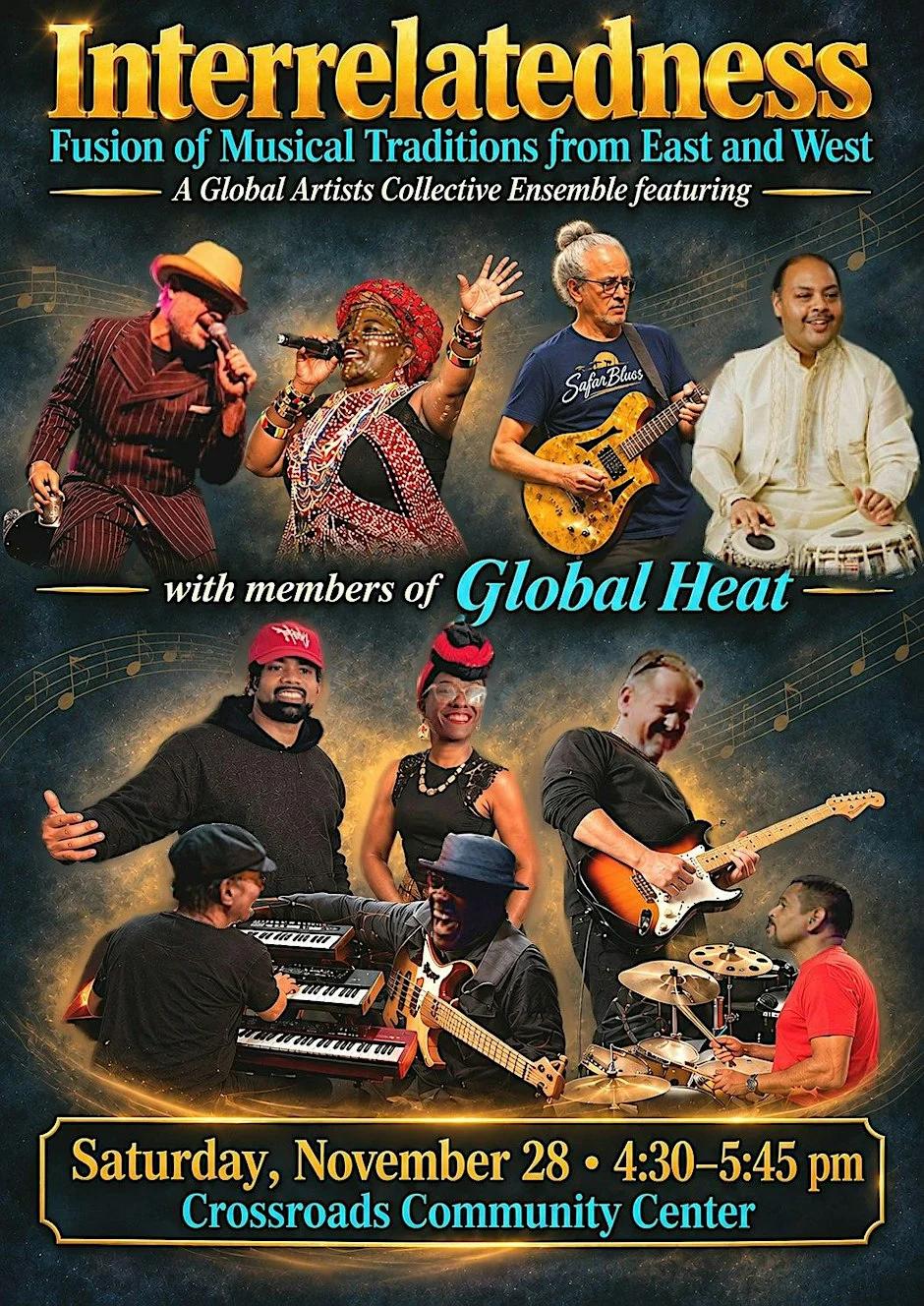
To read further, Daudi Abe’s book “Emerald Street: A History of Hip Hop in Seattle” was published by University of Washington Press in 2020 (UW Magazine). On Ujima, our guides to Seattle jazz history, Black media in Seattle and Black art and culture cover the neighbours of this story, and /events lists what is on this week.
Sources
NPR: How Seattle rap crashed the mainstream by swimming against the current, by Daudi Abe (2023, read on KAXE), HistoryLink: Nastymix Records’ Gold Party, by Peter Blecha (2011), UW Magazine: The historian of Seattle hip-hop (2020). Checked 13 November 2026.
Questions people ask
- Who started hip-hop in Seattle?
- There was no single founder. Early acts around 1980 included Jam Delight, the Emerald Street Boys and Silver Chain Gang, and DJ “Nasty” Nes Rodriguez put local rap on the radio with FreshTracks from 1981.
- Where is Sir Mix-A-Lot from?
- Seattle. Anthony Ray grew up in the Central District near 19th Avenue and Yesler Way and graduated from Roosevelt High School in 1981.
- What was Nastymix Records?
- A Seattle rap label founded in 1985 that released Sir Mix-A-Lot’s early records, including the platinum album “Swass”. It closed in 1992.
- What was Seattle’s Teen Dance Ordinance?
- A 1985 city law that required chaperones, police officers and $1 million in insurance at dances for young people. It was replaced in 2002.
#seattle hip hop history#sir mix-a-lot seattle#nastymix records#seattle rap history#emerald street boys
Know a business we should feature?
Tell us who, and why. Pitch a story or nominate a business.
Keep reading
Arts and culture
Jacob Lawrence and Gwendolyn Knight in Seattle: thirty years of painting, and where to find them now
Two of America’s great painters moved to Seattle in 1971 meaning to stay four or five years. They never left. What they made here, and where their names live on.
Ujima Network team, November 13, 2026. 5 min read
Arts and culture
Octavia Butler in the Seattle area: her Lake Forest Park years and the street that bears her name
The author of Kindred spent her last seven years in Lake Forest Park, walking to the bookshop and the bus. Where she lived, what she did here and how to honour her.
Ujima Network team, November 13, 2026. 4 min read

Arts and culture
Quincy Jones and Ray Charles in Seattle: two teenagers, one street of nightclubs
In 1948 a Garfield High trumpet player met a blind 17-year-old pianist just off the bus from Florida. Where Quincy Jones and Ray Charles lived, played and learned in Seattle.
Ujima Network team, November 13, 2026. 5 min read
The Village